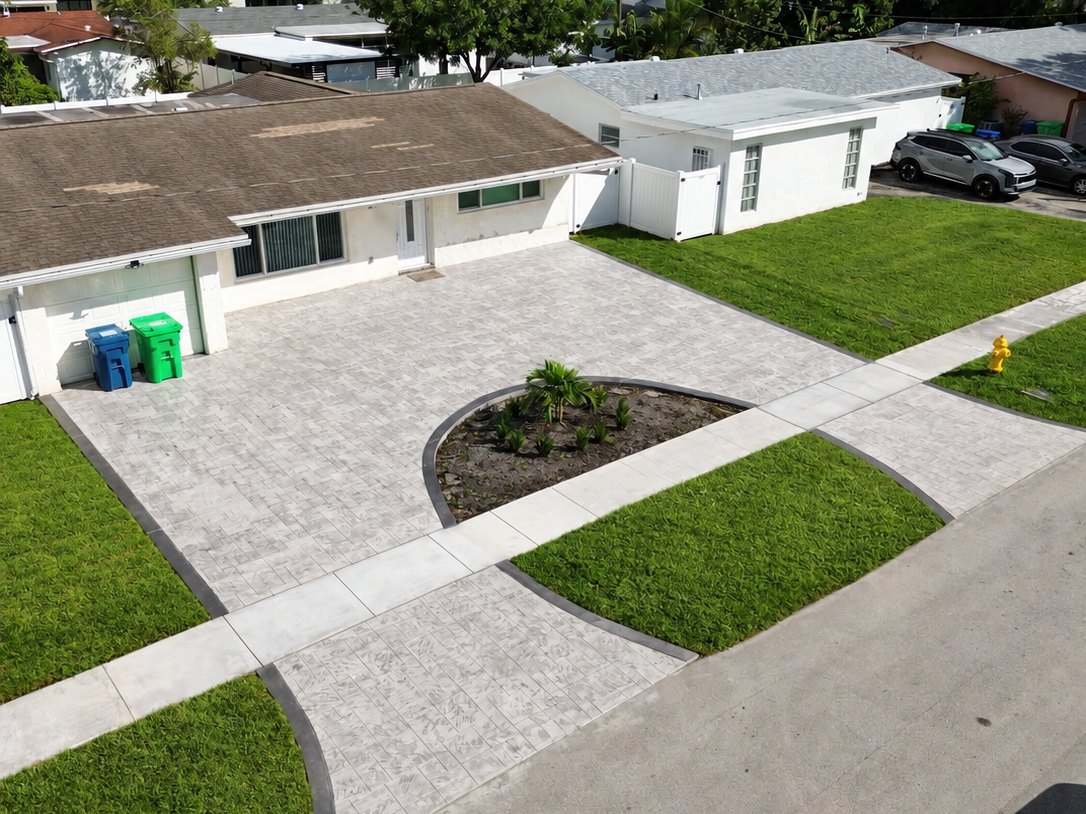
Pergolas in Fort Lauderdale: Coastal Designs That Resist Salt Air
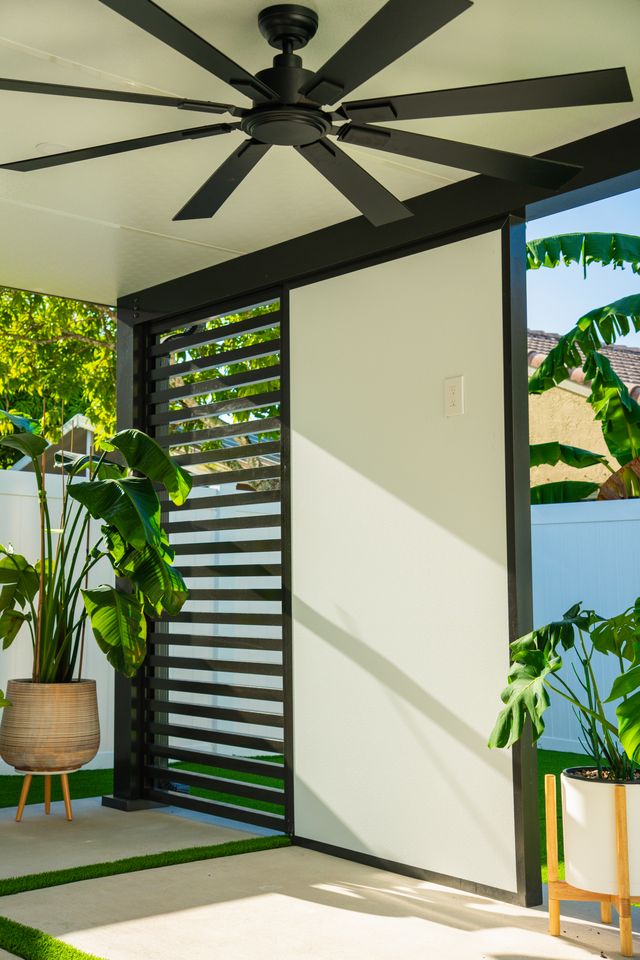
Building a pergola near the coast is different from building one inland.
In Fort Lauderdale, you’re dealing with more than heat and rain. Salt carried through the air can settle on exposed metal, hardware, fasteners, lighting, fans, and outdoor appliances — especially on properties closer to the Intracoastal, canals, and ocean.
That doesn’t mean coastal homeowners should avoid pergolas.
It means the material, coating, hardware, and maintenance plan need to make sense for the environment.
At Concrete Designs LLC, we’ve spent more than 20 years building outdoor living spaces throughout Miami-Dade and Broward. Family-owned, hands-on, and honest about where South Florida weather tends to expose shortcuts.
Here’s what Fort Lauderdale homeowners should know before choosing a pergola for a coastal property.
Why Salt Air Changes Pergola Design
Salt exposure accelerates corrosion on vulnerable metals.
And the closer a property is to the coast or open waterways, the more attention we want to pay to exterior components.
A pergola may include:
- Structural aluminum
- Anchors
- Screws
- Brackets
- Fans
- Lighting
- Electrical boxes
- Outdoor kitchen equipment
The main structure can still look perfect while inexpensive hardware begins corroding around it.
That’s why “aluminum pergola” alone doesn’t tell you enough.
You need to know how the entire system is built.
“The frame gets all the attention. Near the coast, I’m just as interested in the fasteners and connections nobody looks at.”
Aluminum Is Usually Our First Choice for Coastal Pergolas
For most South Florida projects, we generally prefer quality aluminum systems over traditional wood.
For Fort Lauderdale homes, the advantages become even clearer.
Aluminum offers:
- Strong corrosion resistance
- Low maintenance
- No termite concerns
- No wood rot
- Clean architectural lines
- Compatibility with insulated roof systems
- Hurricane-rated product options
That doesn’t mean aluminum is immune to coastal conditions.
Any outdoor material benefits from the right coating and maintenance.
But compared with wood and vulnerable steel components, aluminum is usually an excellent starting point for a coastal pergola.
Powder Coating Matters
Two aluminum pergolas can use similar-looking material and still age very differently.
The finish makes a major difference.
Quality exterior-grade powder coatings help protect aluminum while providing the finished color homeowners see.
For coastal installations, we want coatings designed for:
- UV exposure
- Moisture
- Exterior use
- Corrosive environments
Cheap coatings may begin showing:
- Fading
- Chalking
- Peeling
- Uneven appearance
much sooner than a higher-quality system.
If you’re comparing pergola proposals, ask what finish system the manufacturer uses — not just what color is available.
The Fasteners Can Make or Break a Coastal Installation
This is a detail most homeowners never think to ask about.
You can have a premium aluminum structure and still create future corrosion problems if vulnerable fasteners or connectors are used.
For coastal applications, appropriate corrosion-resistant hardware is important.
Depending on the engineered system and manufacturer specifications, that may include stainless-steel or other approved corrosion-resistant components.
The exact hardware should match the engineered system rather than being swapped casually in the field.
This is particularly important around:
- Column bases
- Beam connections
- Roof panels
- Electrical accessories
- Fans
- Outdoor kitchens
A coastal pergola is only as durable as its weakest exposed component.
Attached vs Freestanding Pergolas Near the Coast
Both styles can work in Fort Lauderdale.
The better option depends on your property.
Attached Pergola
Works well when you want:
- Direct access from the house
- Covered outdoor dining
- Outdoor kitchen protection
- Rain coverage at the back door
Because the structure connects to the home, attachment details, flashing, engineering, and waterproofing become especially important.
Freestanding Pergola
Works well for:
- Pool decks
- Waterfront lounge spaces
- Detached outdoor kitchens
- Larger yards
Freestanding structures give you more placement flexibility but require their own complete footing and anchoring system.
Neither one is automatically more “hurricane-proof.”
Engineering and installation determine performance.
Insulated Roof Panels Make Sense in Fort Lauderdale
Open-lattice pergolas look great, but many South Florida homeowners eventually realize they want more protection.
An insulated roof system can provide:
- Full shade
- Rain protection
- Lower heat transfer
- Ceiling fan locations
- Recessed lighting
- More usable outdoor time
That makes a big difference when the pergola covers:
- An outdoor kitchen
- Dining table
- TV area
- Lounge furniture
If you’re investing in an outdoor living space you plan to use throughout the year, full coverage often provides more practical value than decorative shade alone.
What Colors Work Best Near the Coast?
Fort Lauderdale homes give you plenty of design directions.
Popular combinations include:
White
Works well with:
- Coastal architecture
- White stucco
- Light pool decks
- Waterfront properties
It reflects more sunlight but shows dirt more easily.
Charcoal or Black
Works well with:
- Contemporary homes
- Black-framed windows
- Modern outdoor kitchens
It creates strong contrast but can become hotter in direct sun.
Bronze
A great option for:
- Warm stucco
- Mediterranean architecture
- Natural landscaping
It also tends to hide everyday dirt and spotting better than extreme light or dark colors.
Whatever color you choose, coating quality matters more for longevity than color alone.
Does Salt Air Mean More Maintenance?
Yes — but the maintenance is simple.
If you live close to salt water, periodically rinsing exposed exterior surfaces with fresh water can help remove accumulated salt.
Pay special attention to:
- Frames
- Column bases
- Fasteners
- Fans
- Lighting
- Outdoor kitchen equipment
You don’t need to obsess over it.
But ignoring salt buildup for years isn’t something we’d recommend either.
“Coastal outdoor living can absolutely be low-maintenance. Low-maintenance just doesn’t mean zero maintenance.”
Pergolas and Outdoor Kitchens Need to Be Planned Together
This matters even more on coastal properties.
If you’re installing an outdoor kitchen under the pergola, you now have additional materials exposed to:
- Salt air
- Humidity
- Heat
- Rain
That includes:
- Grill
- Refrigerator
- Cabinetry
- Electrical components
- Countertops
We prefer designing these components as one project whenever possible.
That allows us to coordinate:
- Pergola columns
- Lighting
- Electrical
- Appliance clearance
- Countertop layout
- Drainage
rather than trying to fit everything together afterward.
Hurricane Engineering Still Comes First
Salt resistance matters.
But this is South Florida.
The pergola also needs to be designed for local wind requirements.
Permanent structures may require:
- Engineered drawings
- Wind-load calculations
- Approved products
- Proper footings
- Structural anchoring
- Building permits
- Inspections
Fort Lauderdale’s Building Services division handles permitting and inspections to enforce the Florida Building Code and applicable local requirements. The city also states that exterior work generally requires a current signed and sealed survey and site plan locating the proposed work.
The city’s July 2026 permitting changes do not create a blanket exemption for structural pergolas; its small-project exemption is limited to qualifying cosmetic, non-structural work and specifically excludes structural changes.
That's why we don't recommend treating a permanent pergola like a backyard furniture purchase.
Waterfront Properties May Need Additional Planning
Fort Lauderdale has a lot of:
- Canal homes
- Intracoastal properties
- Coastal lots
- Flood-prone areas
That can introduce additional considerations involving:
- Existing elevations
- Flood requirements
- Setbacks
- Waterfront structures
- Site access
The City of Fort Lauderdale notes that elevation certificates are required for new construction, substantial improvements, and additions to existing structures when applicable to its floodplain permitting process.
Not every pergola triggers the same requirements, which is exactly why the specific property needs to be reviewed before design is finalized.
How Much Does a Coastal Pergola Cost?
For general South Florida planning, pergolas often fall around:
$4,000-$15,000+
Larger insulated, custom, or highly engineered systems can go beyond that.
Pricing depends on:
- Size
- Roof system
- Material
- Engineering
- Footings
- Electrical
- Lighting
- Fans
- Existing patio
- Site access
- Permitting
Coastal upgrades may also add cost depending on the system and hardware specifications.
We don’t quote final pricing from square footage alone.
I'd rather walk it with you before we put a number on it.
Coastal Pergola Red Flags
If you’re comparing contractors in Fort Lauderdale, ask about:
- Pergola material
- Finish system
- Corrosion-resistant hardware
- Product approvals
- Engineering
- Wind loads
- Permitting
- Footings
- Coastal maintenance
Be cautious if someone says:
“It’s aluminum, so salt can't hurt it.”
That's oversimplifying the problem.
Also be cautious if permanent construction is being offered with:
- No engineering discussion
- No permit discussion
- No anchoring details
- No product documentation
We don't believe in making a structure look good on day one and leaving the homeowner to discover the problems later.
What We'd Build for a Fort Lauderdale Coastal Home
For many coastal homeowners, our starting point would be:
- Quality aluminum structural system
- Exterior-grade powder coating
- Appropriate corrosion-resistant hardware
- Insulated roof panels where full coverage is desired
- Proper engineered footings and anchoring
- Outdoor-rated electrical components
- Fans and lighting designed for the environment
Then we'd adjust the design around:
- Architecture
- Pool
- Waterfront views
- Kitchen layout
- Existing patio
- Sun direction
The goal isn't simply surviving salt air.
The goal is creating a space that still looks like it belongs with the property years later.
Build for Fort Lauderdale, Not Somewhere Else
A pergola system that works perfectly inland in another state isn't automatically the right product for Fort Lauderdale.
We need to think about:
Sun + salt + rain + humidity + hurricanes.
All five.
That's why local experience matters.
“A coastal pergola should be designed for the house it's going on and the environment it's going to live in. Everything else is just selling a structure.”
At Concrete Designs LLC, we pull permits ourselves, work through the structural requirements, and tell homeowners straight when we think there's a better way to build the space.
Family-owned · 20+ years · Miami-Dade & Broward.
FAQs
What pergola material is best near salt water?
Quality aluminum is generally a strong choice for coastal South Florida because of its corrosion resistance and lower maintenance compared with traditional wood. Coating quality and hardware selection still matter.
Will an aluminum pergola rust?
Aluminum itself does not rust like iron or carbon steel, but coastal exposure can still affect finishes and other components. Proper materials, coatings, hardware, and maintenance are important.
Do pergolas need permits in Fort Lauderdale?
Permanent structural pergolas may require permits depending on the project. Fort Lauderdale requires permits for regulated construction and provides an accessory-structure permitting process through Development Services.
Should I wash my pergola if I live near the ocean?
Periodic freshwater rinsing is a practical way to remove salt and debris from exterior surfaces. Follow the pergola manufacturer's maintenance requirements.
Are insulated aluminum pergolas good for coastal homes?
They can be an excellent option when the system, coating, engineering, and hardware are appropriate for the site. They also provide significantly more shade and rain protection than an open-lattice pergola.
Ready to get started? Get a free on-site estimate from the Concrete Designs team — we'll walk your property, talk through what's possible, and send you a fixed-price quote with no surprises. Call (786) 269-9215, or message us at concretedesignsllc.com. Ask about 0% APR financing through Wisetack and Wells Fargo. Family-owned · 20+ years · Miami-Dade & Broward.